

















What Insurance Really Is and How It Works
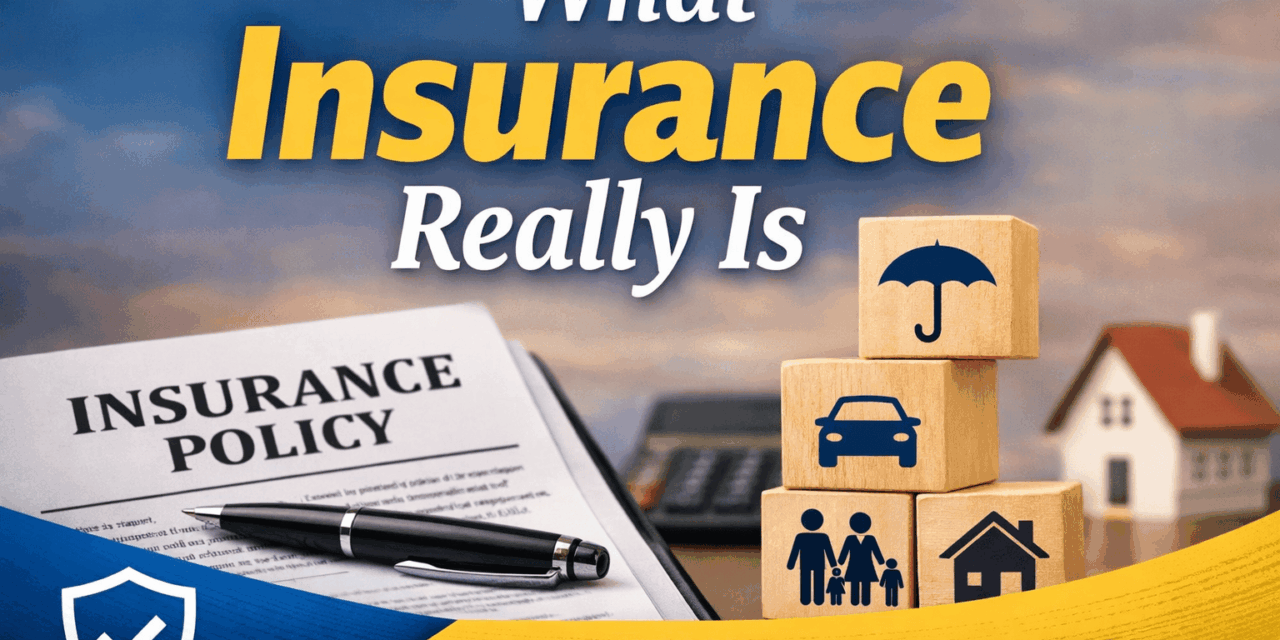
What insurance really is, is often misunderstood, even by people who have owned insurance policies for years. Many discussions about insurance focus on claims, premiums, or disappointments, yet very few clearly explain how insurance really works and what it is designed to do. This lack of clarity shapes expectations and is one of the main reasons insurance is frequently misunderstood around the world.
Insurance is not mysterious.
It is simply rarely explained well.
Insurance Is a Contract, Not a Promise
At its foundation, insurance is a legal contract, not a personal promise.
It is an agreement where:
- One party pays a premium, and
- The other agrees to compensate for specific losses, under defined conditions, and within stated limits.
Insurance does not respond to emotion or hardship.
It responds to what is written and agreed.
What Insurance Is Designed to Do
Insurance is designed to manage financial consequences, not to prevent events.
Accidents can still happen.
Illness can still occur.
Loss can still strike unexpectedly.
What insurance does is reduce the financial damage that follows such events, allowing recovery instead of collapse.
How Insurance Really Works Before Any Loss Happens
Insurance begins working before a claim is ever made.
Decisions about:
- coverage scope
- exclusions
- limits
- deductibles
all determine how the policy will respond later.
Claims do not introduce new rules.
They only apply decisions already made.
Insurance Works Through Shared Risk
Insurance is possible because of risk pooling.
Many people contribute small amounts so that when loss strikes one person, the financial burden does not overwhelm them.
This shared responsibility is the foundation of insurance systems worldwide.
Why Insurance Is Often Misunderstood
Insurance confusion usually comes from:
- technical language
- poor explanation
- focus on benefits without exclusions
- rushed buying decisions
As a result, expectations are formed on assumptions rather than understanding.
The Role of Good Faith in Insurance
Insurance requires honesty from both parties.
Policyholders must disclose material facts.
Insurers must assess risk and handle claims fairly.
Good faith supports transparency, but it does not override contract terms.
Insurance as a Tool for Stability
Insurance is not about fear.
It is about preparation and continuity. Its value lies in the ability to recover and continue after loss, rather than starting over.
Final Thoughts
Insurance problems rarely begin at claims stage.
They begin with misunderstanding.
Understanding what insurance really is—before you need it—turns insurance into a reliable financial tool instead of a source of frustration.
Further Reading
This article reflects ideas discussed in:
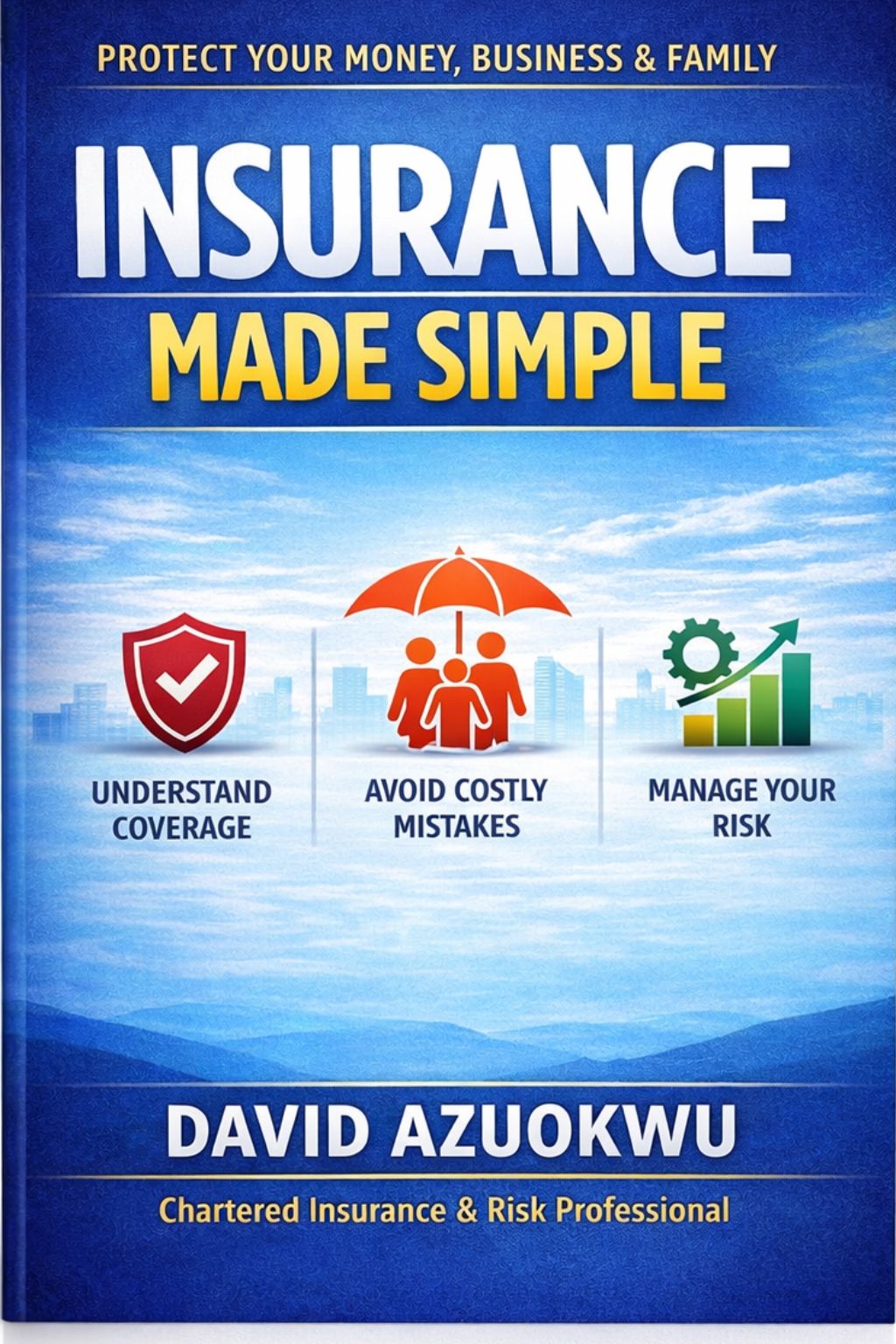
Insurance Made Simple — David Azuokwu
https://a.co/d/a95JirS
FAQs
Does insurance prevent loss?
No. Insurance does not prevent accidents or illness. It helps manage the financial consequences after loss occurs.
What insurance really is?
Insurance is a legal contract designed to manage the financial impact of specific losses under agreed conditions and limits.
How insurance works in simple terms?
Insurance works by pooling risk. Many people contribute premiums so that when loss occurs, compensation can be paid without causing financial collapse.